Can Having A Lover On The Side Make Me A Better Wife?

My lover makes me feel good, and that’s good for my marriage.

For many people, the idea sounds like a contradiction. How could a woman become a more attentive, engaged wife while maintaining a connection outside her marriage? Yet across relationship communities and personal accounts, some women are beginning to describe exactly that experience, not as a breakdown of commitment, but as a shift in how they feel and function within their marriage.

Marriage has traditionally been framed as the place where emotional, physical, and psychological needs are meant to be fulfilled by one person alone, and anything outside of that is often assumed to signal that something is missing or broken. That assumption has shaped how people define loyalty, intimacy, and even what it means to be a “good wife.” However, the experiences being shared by some women suggest a more nuanced reality, one where the presence of an outside connection does not necessarily compete with the marriage, but can, under specific conditions, influence how a woman shows up within it.

At the center of these conversations is not simply attraction, but presence. Long-term relationships naturally evolve into patterns of familiarity where routines, responsibilities, and predictability begin to take priority over emotional engagement. The relationship may still be strong, but the feeling of being actively seen, desired, and fully attended to can become less noticeable. This shift rarely announces itself. It settles in gradually, becoming part of the background of everyday life until connection feels stable, but no longer vivid or intentional.

In this context, some women describe an outside connection as a catalyst rather than a replacement. What changes is not their level of love for their partner, but their connection to themselves. Feelings such as confidence, attentiveness, and emotional responsiveness begin to resurface, along with a renewed awareness of how they carry themselves and how they engage in moments of connection. That internal shift often translates directly into how they return to their marriage, bringing more energy, more focus, and a greater sense of intentionality into their role as a wife.

This is where the idea becomes more clearly defined. For some women, the experience is not about seeking something better, but about rediscovering a version of themselves that had quietly faded. When that awareness returns, it often changes how they communicate, how they listen, and how they connect with their partner. They may find themselves more attentive, more emotionally available, and more engaged in ways that feel natural rather than forced. In that sense, the claim that it can make them a “better wife” is not about comparison, but about how they show up within the relationship after reconnecting with that part of themselves.

That shift does not remain isolated. Many women describe how it carries back into their marriage in subtle but meaningful ways. Interactions feel less routine, attention becomes more deliberate, and connection feels more immediate. The relationship itself has not changed in structure, but the experience of it becomes more vivid. In practical terms, this can look like more intentional communication, increased attentiveness, and a stronger emotional presence with their partner, all of which contribute to how they define themselves within the relationship.

It is also important to understand that these experiences exist within a range of different relationship structures, each with its own boundaries and expectations. In what is often referred to as a Hotwife dynamic, a married woman may engage with other partners with the knowledge and consent of her spouse, typically within clearly defined guidelines that prioritize the primary relationship. A closely related variation, known as Stag and Vixen, often involves shared awareness and, in some cases, mutual participation, reinforcing openness rather than secrecy. Polyamory expands this further by allowing multiple emotional or romantic relationships to exist simultaneously, all grounded in transparency and communication. Less structured arrangements, such as friends with benefits, may involve external connections without deeper emotional involvement, yet still introduce a shift in awareness and interaction.

While these lifestyles differ in structure, they share a common thread. They challenge the idea that connection, desire, and engagement must exist in only one place, while also requiring a higher level of awareness and communication than many traditional relationships ever demand. For couples who explore these dynamics successfully, the focus is not on replacing the marriage, but on understanding how to remain more connected within it over time.

What is often misunderstood is that these dynamics are not solutions for struggling relationships. Entering any of these lifestyles without a strong foundation tends to amplify existing issues rather than resolve them. Couples who navigate these dynamics successfully consistently emphasize the importance of ongoing communication, not occasional check-ins, but real conversations about boundaries, expectations, and emotional comfort. Trust must already exist at a high level, and both partners need to feel secure in the relationship before introducing anything external.

Equally important is emotional awareness, particularly when it comes to jealousy. It is not something that disappears simply because a relationship is labeled as open. Instead, it must be acknowledged, understood, and managed through honest dialogue. When handled with awareness, it can lead to deeper understanding between partners and a clearer sense of what each person needs to feel secure. When ignored, it tends to surface in ways that disrupt the very connection couples are trying to strengthen.

Another common misconception is that these dynamics are primarily driven by physical desire. While attraction may play a role, many women describe the experience as being more about emotional and psychological engagement. It is the feeling of being fully present in a moment, of having someone’s undivided attention, and of reconnecting with a sense of self that may have been overshadowed by routine. When that awareness is brought back into the marriage, it often translates into more intentional communication, deeper attentiveness, and a stronger emotional connection with their partner, reinforcing the idea that the change is less about the external connection and more about how it influences the relationship at home.

The idea that having a lover on the side can make someone a better wife is not a universal truth, nor is it a path suited for every relationship. However, for some women, the experience highlights something important. When they feel more connected to themselves, more aware of their presence, and more engaged in their interactions, it directly affects how they show up within their marriage. In those cases, the change is not about the other person, but about how that awareness reshapes their role within the relationship.

Ultimately, the conversation is less about the presence of another person and more about the quality of connection within the marriage itself. For some couples, exploring alternative dynamics brings that awareness into focus in a way that feels immediate and difficult to ignore. For others, the same realization may come through reflection, communication, or a renewed effort to reconnect within the relationship they already have. In either case, what defines the outcome is not the structure of the relationship, but the strength of its foundation and the willingness of both partners to remain engaged with each other over time.
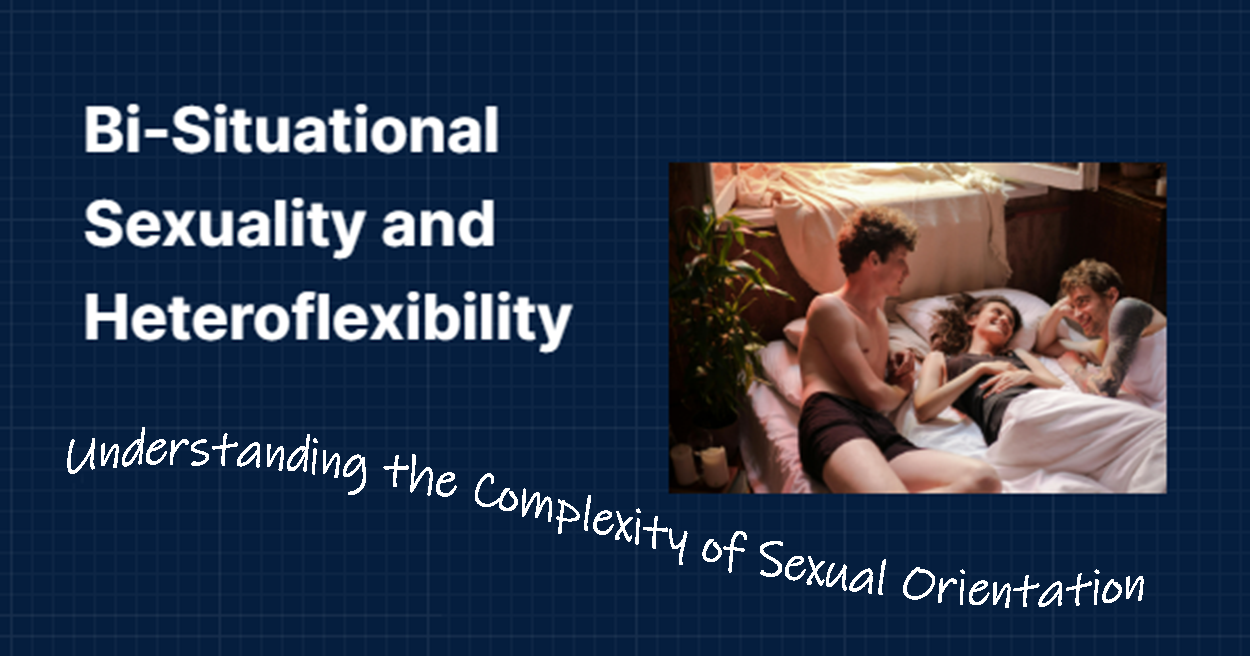

Exploring Bi-Situational Sexuality and Heteroflexibility: Understanding the Complexity of Sexual Orientation

In the realm of human sexuality, the exploration of diverse identities and orientations continues to challenge traditional norms and labels. Two lesser-known but crucial concepts that contribute to this conversation are bi-situational sexuality and heteroflexibility. These terms offer a unique perspective on sexual orientation, highlighting the fluidity and complexity that exist within the spectrum of human desires.

**What is Bi-Situational Sexuality?**

Bi-situational sexuality is a term used to describe individuals who are attracted to more than one gender but may not identify as bisexual. These individuals experience shifts in their attractions based on different situations or contexts, leading to a fluidity in their sexual orientation. Unlike traditional labels that imply a fixed attraction to specific genders, bi-situational individuals may find themselves drawn to different genders at different times, challenging the notion of a rigid sexual orientation.  In other words, a person who identifies as bi-situational may feel attracted to different genders or have different sexual preferences based on the circumstances they find themselves in.

This concept challenges the traditional notions of sexual orientation as being strictly defined by categories such as heterosexual, homosexual, or bisexual. Instead, it recognizes that sexual desires and attractions can be fluid and may change over time or in different environments.

Imagine being able to explore and express your attractions to different genders or sexual preferences depending on the environment you find yourself in. That’s the beauty of bi-situational sexuality – it challenges the norms and invites us to embrace the full spectrum of human desire.

**What is Heteroflexibility?**

Heteroflexibility, on the other hand, refers to individuals who primarily identify as heterosexual but are open to or have experiences with same-sex relationships or attractions. These individuals may feel a strong connection to the opposite gender while also acknowledging and exploring their attractions to the same gender. Heteroflexibility allows individuals to navigate their sexual orientation in a way that transcends binary categorizations, embracing the complexity of human desire and connection.

**Understanding the Complexity**

The concept of bi-situational sexuality and heteroflexibility underscores the multifaceted nature of sexual orientation and challenges the idea of fixed labels. By recognizing the fluidity and diversity of human desires, we can move beyond simplistic categorizations and honor the complexity of individual experiences. It is essential to understand that sexual orientation is not always static and can evolve over time, influenced by a variety of factors such as personal experiences, societal norms, and cultural influences.

Embracing the complexity of sexual orientation involves creating a space where individuals feel free to explore and express their authentic selves without fear of judgment or discrimination. By acknowledging the fluidity of attraction and desire, we can foster a more inclusive and welcoming environment for all individuals, regardless of where they fall on the spectrum of sexual orientation. It is through understanding and acceptance that we can truly embrace the diversity of human sexuality and celebrate the richness of individual experiences.

Bi-situational sexuality highlights the complexity of human sexuality and the diversity of experiences that individuals may have. It emphasizes the importance of acknowledging and respecting the fluidity of sexual orientation, rather than trying to fit people into rigid categories or labels.

For many individuals who identify as bi-situational, their sexual orientation may not conform to societal expectations or norms. This can lead to feelings of confusion, isolation, or stigma. It is crucial for society to be more inclusive and accepting of diverse sexual orientations and to create a safe space for individuals to express their authentic selves without fear of judgment or discrimination.

**Embracing Diversity**

By embracing and understanding the concept of bi-situational sexuality and heteroflexibility, we can foster a more inclusive and supportive environment for individuals with diverse sexual orientations. It is essential to recognize that human sexuality is a spectrum and that people’s desires and attractions can be influenced by a wide range of factors.

In a world that often seeks to categorize and label individuals based on narrow definitions of sexuality, embracing diversity is key to creating a more inclusive and supportive society. Bi-situational sexuality and heteroflexibility remind us that sexual orientation is a complex and multifaceted aspect of human identity that cannot be confined to rigid boxes. By celebrating the diversity of human desire and attraction, we can cultivate a culture of acceptance and understanding that values the unique experiences of each individual.

Exploring bi-situational sexuality and heteroflexibility offers us a deeper understanding of the complexity of sexual orientation and the fluidity of human desire. By embracing diversity and honoring the diverse experiences of individuals, we can create a more inclusive and compassionate world where everyone feels empowered to express their authentic selves without fear of judgment or discrimination. It is through this celebration of diversity that we can truly appreciate the richness and beauty of human sexuality in all its forms.

Lucy, SUS, NSFW, 18

Categories: Sex Life Tags:

The Fascinating World of Sperm competition: Exploring How Some Husbands and Wives Embrace the Experience

beautiful fertility concept in 3d renderin

Introduction

Sexual preferences and desires can be incredibly diverse and unique among couples. In recent times, the topic of sperm competition has emerged as one such intriguing aspect of intimate relationships. While it may not be everyone’s cup of tea, some husbands and wives have found pleasure and fulfillment in this intimate practice. In this blog, we’ll explore what sperm competition entails, the reasons why some couples choose to embrace it, and the importance of open communication and consent in any sexual exploration.

Understanding Sperm Competition

Sperm competition is a biological concept that stems from the idea that within species with internal fertilization (like humans), there is a competition between the sperm of different males to fertilize a female’s egg. The primary goal of sperm competition is to maximize the chances of passing on one’s genetic material to the next generation. It is believed that the human male’s ejaculate contains not only sperm but also substances that can affect the behavior of both the female’s reproductive system and the sperm of other males present.

The Appeal of Sperm Competition for Some Couples

Consensual open relationships are based on mutual trust, communication, and an understanding that love and intimacy can be shared with multiple partners. Each relationship is unique, and the boundaries are set according to the comfort and preferences of those involved. In such relationships, some husbands (and their partners) may choose to explore multiple sexual partners while maintaining their emotional connection, leading to the possibility of sperm competition. Sperm competition appeal to husbands & couples in consensual non-monogamous relationships for several reasons:

  1. Novelty and Variety: For some individuals, engaging in sexual encounters with different partners can provide novelty and variety, enhancing their overall sexual experiences. Sperm competition adds an element of excitement, as the idea of competing with other males can be arousing for some.
  2. Sexual Fulfillment: For these husbands, the satisfaction derived from engaging in consensual open relationships extends beyond physical pleasure. It can be about personal growth, self-discovery, and understanding their own desires and boundaries.
  3. Communication and Trust: One of the cornerstones of consensual open relationships is open communication and trust. Engaging in sperm competition requires an extraordinary level of trust between partners. The husband can enjoy knowing that his partner is exploring her desires freely and willingly.
  4. Compersion: Compersion is a term used in the polyamorous community to describe the feeling of joy or happiness one experiences when witnessing their partner’s happiness with another person. Some husbands may experience compersion in seeing their partner’s pleasure and fulfillment with another male, including the possibility of experiencing sperm competition.
  5. Intimacy and Trust: Engaging in sperm compilation can strengthen the bond between partners by fostering a heightened sense of intimacy and trust. The act of sharing something as intimate as semen reinforces a deeper emotional connection.
  6. Sexual Exploration: For some couples, sperm competition is an exciting way to explore their sexuality and push the boundaries of traditional sexual practices. It allows them to step outside of their comfort zones and discover new forms of pleasure and satisfaction.
  7. Sensuality and Aesthetics: Sperm competition can be seen as an artistic expression of sensuality and aesthetics. The visual aspect of the act may appeal to some couples as they find beauty and arousal in the human form and its intimate processes.
  8. Dominance and Submission: For couples practicing BDSM or power-exchange dynamics, sperm competition can be an element of dominance and submission play. It allows for the exploration of power roles in a safe and consensual manner.

What cuckholding and hotwifing share with sperm competition.

Cuckolding, hotwifing, and sperm competition are related concepts that involve sexual and reproductive dynamics between partners. While they share some similarities, they are distinct in their nature and context. Human relationships and sexual practices have evolved over time, encompassing a wide range of preferences and expressions. Among these are the practices of cuckolding and hotwifing, which involve the consensual exploration of non-monogamous dynamics within a committed relationship. While often misunderstood or stigmatized, these practices offer unique insights into the complex concept of sperm competition.

  1. Cuckolding: Cuckolding is a consensual adult sexual activity where a person’s partner engages in sexual relations with someone else while they watch or are aware of the activity. The term “cuckold” historically referred to a man whose wife was unfaithful, but in the context of cuckolding as a fetish or kink, it involves consensual non-monogamous behavior. The cuckold partner often experiences arousal and pleasure from watching their partner with someone else, and this activity can be emotionally and psychologically satisfying for all involved parties.
  2. Hotwifing: Hotwifing is a variation of cuckolding, where a woman (the “hotwife”) has sexual encounters with other men outside of her primary relationship with her partner. Similar to cuckolding, hotwifing usually involves the partner’s knowledge and consent, and the primary partner may experience arousal from their partner’s sexual experiences with others.
  3. Sperm Competition : Sperm competition is a biological concept that refers to the idea that in species where females have multiple sexual partners, there is a competition among the sperm from different males to fertilize the female’s egg. This competition can lead to various adaptations in male reproductive strategies, such as increased sperm production, changes in sperm morphology, or changes in mating behavior.

The common thread that ties these concepts together is the presence of multiple sexual partners and the potential for some form of sexual arousal or satisfaction based on this arrangement. Cuckolding and hotwifing are more related to consensual adult sexual play and fetishes, whereas sperm competition is a biological concept that explains certain reproductive adaptations in non-monogamous mating systems observed in some animal species.

The Importance of Communication and Consent

Open communication and consent are crucial in any sexual exploration. Couples considering sperm competition or any other non-conventional sexual activity should have honest conversations about their desires, boundaries, and expectations.

Hotwifing, cuckholding, and sperm competition play practices are not about infidelity or betrayal but rather about open communication, trust, and a deeper understanding of one’s desires and boundaries within a relationship. Couples who engage in these activities often report enhanced intimacy, trust, and emotional bonding. Both partners must be comfortable and enthusiastic about participating in such acts. Consent must be explicit, enthusiastic, and ongoing throughout the experience.

She whispered softly, “You can cum in me, my husband would enjoy that.”

Challenges and Considerations:

While consensual open relationships can be fulfilling for some, they are not without challenges. Jealousy, insecurity, and managing emotions can be complex, requiring constant communication and introspection. It is essential for all parties involved to establish clear boundaries and to regularly revisit and revise them if necessary. Part of those challenges and considerations are the potential risks and safety concerns.

Potential Risks and Safety Concerns

While sperm competition itself is generally considered safe, it is essential to address some potential risks and safety concerns. For example, if any partner has allergies or skin sensitivities, it’s essential to be cautious and avoid contact with semen in those areas. Additionally, practicing safe sex and regular STI testing is important for the overall health and well-being of both partners.

Final Thoughts

The appeal of sperm competition for some couples may appear perplexing at first, but it serves as a reminder of the intricacies of human sexuality and the diverse ways in which individuals and couples find fulfillment. Sperm competition is an intimate practice that some husbands and wives choose to explore as part of their sexual journey. It offers a unique way to strengthen trust, explore sexuality, and express intimacy through a creative and consensual act. As with any sexual activity, open communication, consent, and respect for each other’s boundaries are paramount. Remember that sexual preferences are highly personal, and what works for some may not work for others. The key to a fulfilling and satisfying intimate relationship lies in mutual understanding, respect, and a willingness to explore together.

How Porn Can Improve Your Sex Life

While not all of us are willing to admit it publicly, we like porn. We really like porn. According to one study, 79% of men and 76% of women watch it at least once a month.

Whether watching alone or with a partner you met on AshleyMadison.com, porn can enhance your sex life, open your mind to new activities, and even improve your relationships. Being a little voyeuristic can have big benefits.

Get to know yourself

Porn is a great way to figure out what you like—and don’t like—in the bedroom. It’s difficult to tell a partner how to please you if you don’t, ahem, know yourself. Porn allows you to explore your sexuality in a safe, comfortable way. Watch videos or read erotica that features boundary-pushing scenes and take note of how you feel. If something turns you off or makes you uncomfortable, you’ve found a limit and you can communicate that to partners. To browse porn discreetly, use your browser’s Incognito Mode – or clear your history cache after each session.

Get geared up

It’s no surprise that watching sexy things onscreen can make people more interested in having sex. According to a study by the University of California, watching pornography can lead to higher sexual responsiveness. Whether watching solo or with a partner, porn is a great way to get your libido going.

A Danish study found that both men and women who watch porn reported more satisfaction with their sex lives and better attitudes regarding sex. In fact, they reported even more positive attitudes associated with more hardcore pornography consumption.

Get educated

Watching sexy scenes can be educational if you find the right clips. When you’re looking to improve your technique, who better to teach you than the experts? There are all sorts of videos aimed at helping men and women become better lovers, and many feature actual couples with realistic bodies. You won’t be taught positions that require gymnast-like flexibility, but you will pick up some tricks that are sure to impress your partner. You can even watch it together and try things out as you go.

Get closer

Watching porn together can help break down any barriers to communication about sex. If you’re watching and you see something you want to try, it’s easier to speak up than trying to explain the act without the help of such visual aids.

A study by Ann Summers, a British sex toy and lingerie store, found porn brings couples closer together. “Couples who watch porn together at least once a week reported being more committed and sexually satisfied than those who watched porn together less frequently or not at all. Fifty-eight percent of women who watched porn with a partner said that it had a positive effect on their sex life—over half said that it gave them the confidence to ask for what they wanted in bed.”

Get de-stressed

We all feel a bit overworked and stressed out from time to time. Porn can be a great alternative to your typical stress-relieving rituals. A study from Carnegie Mellon University found men’s stress responses were halved after simply looking at softcore imagery. In another study, women reported using porn to destress.

Get (the right) content

By now you know we think porn is great (and hope you do too!), but where you get your porn matters. There is a whole movement around ethical or feminist porn, that ensures that people are paid for quality content. Feminist porn also often involves more realistic portrayals of bodies, relationships, and sexual acts that focus on all parties’ pleasure.

If that’s something that turns you on, here’s how to shop for more ethical porn:

Avoid clip sites. Piracy is one of the largest issues in the adult film industry. If you’re not paying for those clips, chances are the actors aren’t being paid for that view either. Performer Jiz Lee has said, “The only time I’ve felt exploited through porn is through piracy.” If you enjoy watching Brazzers, for example, it’s best to go direct to the source.
Get to know the performers. Many performers have their own websites where you can buy from them directly. From superstars like Joanna Angel to smaller names, some even offer personalized content for contributors or subscribers. You can follow many of them on social media, where they’ll help direct you to ethical porn options.
Don’t judge a book by its cover. BDSM and porn that plays in the arena of consensual non-consent is often hypervigilant in consent. A little research into the studio will tell you if the porn you’re watching is ethical.

Whatever your reason for watching porn, it can have a positive impact on your sexless marriage.

If you’re looking for someone who shares your appreciation of porn and is into affairs, hookups and fantasy, explore online at AshleyMadison.com.

About Ashley Madison
Ashley Madison is a world-famous dating community that helps facilitate cheating in 47 countries. Our site attracts non-judgmental people looking for extramarital affairs, hookups and fantasy. Download one of the married dating apps today, and start your quest.

The post How Porn Can Improve Your Sex Life appeared first on Ashley Moments Official Ashley Madison Blog.

Categories: Porn Sex Life Tags:

5 Reasons Why There’s Never Been A Better Time To Start Married Dating

Out with FaceTime dates and Zoom Booms—  it’s “hot vax summer”! Social distancing puts people out of touch with many pre-pandemic practices like sex and dating but as the world reopens, people are bouncing back. With everyone finally getting out, meeting new people, and trying exciting things, there’s never been a better time to start married dating. If you’re still on the fence about a tryst, here are five reasons to jump at the opportunity. 

1. You’ve Been Vaxxed And Waxed

You probably spent most of 2020 bored, alone, and regretting every time you turned down plans before the pandemic. With vaccination rates soaring and lockdowns finally lifting in many places, the world is your oyster. If you’ve been vaxxed and waxed, why not get out there and experience some normalcy? There’s never been a better time to spice up your life, so make your 2020 self proud by saying “yes” to an extramarital fling.  

2. Excuses, Excuses 

Lockdowns were tough for everyone, but especially for people living in close quarters. If you’re married or have kids, you spent much of 2020 longing for some “social distance” of your own. Finally, things are re-opening and that means one thing for two-timers: plenty of excuses to get out and see your affair partner. Take advantage of being able to go to “the gym” or “brunch with friends.” Your spouse won’t suspect a thing. 

3. People Are Feeling Extra Frisky

Over a year of isolation and subpar marital sex has stirred up people’s sexual appetites. With 35% of our members saying that their biggest post-lockdown fantasy is multi-person sex and 62% already having better sex than they were before the pandemic, it’s safe to say that the data points to a raunchy summer for cheaters. Don’t be afraid to get your hands dirty by trying out a threesome or public sex. You’ll make our members’ wildest dreams come true and have fun while doing it. 

4. It’s The Golden Age Of Dating

Everyone in the dating world is putting themselves out there. So much so that some have dubbed this period the “golden age of dating.” With that said, it’s never been easier to spark an affair. Eager daters are extra responsive. 43% of people say that they’ve seen a decrease in ghosting since the pandemic. You can also look forward to some exciting dates. After a year of socially distanced picnics and awkward walks, your date will want to take you somewhere special. Don’t miss out!

5. You Deserve It 

Whether you’re a frontline worker or an unhappy spouse, it’s been a stressful year. Unfortunately, as you try to relax, you may find that bubble baths and Netflix aren’t enough. After a year of uncertainty and worry, you deserve to unwind no matter what it takes. 84% of our members consider having an affair a form of self-care and we recommend that you try it out.   

Take it from us, it’s time to get back into the world of married dating. If the pandemic taught us all one thing, it’s that life is short. Have an affair.  

The post 5 Reasons Why There’s Never Been A Better Time To Start Married Dating appeared first on Ashley Moments Official Ashley Madison Blog.