Can Having A Lover On The Side Make Me A Better Wife?

My lover makes me feel good, and that’s good for my marriage.

For many people, the idea sounds like a contradiction. How could a woman become a more attentive, engaged wife while maintaining a connection outside her marriage? Yet across relationship communities and personal accounts, some women are beginning to describe exactly that experience, not as a breakdown of commitment, but as a shift in how they feel and function within their marriage.

Marriage has traditionally been framed as the place where emotional, physical, and psychological needs are meant to be fulfilled by one person alone, and anything outside of that is often assumed to signal that something is missing or broken. That assumption has shaped how people define loyalty, intimacy, and even what it means to be a “good wife.” However, the experiences being shared by some women suggest a more nuanced reality, one where the presence of an outside connection does not necessarily compete with the marriage, but can, under specific conditions, influence how a woman shows up within it.

At the center of these conversations is not simply attraction, but presence. Long-term relationships naturally evolve into patterns of familiarity where routines, responsibilities, and predictability begin to take priority over emotional engagement. The relationship may still be strong, but the feeling of being actively seen, desired, and fully attended to can become less noticeable. This shift rarely announces itself. It settles in gradually, becoming part of the background of everyday life until connection feels stable, but no longer vivid or intentional.

In this context, some women describe an outside connection as a catalyst rather than a replacement. What changes is not their level of love for their partner, but their connection to themselves. Feelings such as confidence, attentiveness, and emotional responsiveness begin to resurface, along with a renewed awareness of how they carry themselves and how they engage in moments of connection. That internal shift often translates directly into how they return to their marriage, bringing more energy, more focus, and a greater sense of intentionality into their role as a wife.

This is where the idea becomes more clearly defined. For some women, the experience is not about seeking something better, but about rediscovering a version of themselves that had quietly faded. When that awareness returns, it often changes how they communicate, how they listen, and how they connect with their partner. They may find themselves more attentive, more emotionally available, and more engaged in ways that feel natural rather than forced. In that sense, the claim that it can make them a “better wife” is not about comparison, but about how they show up within the relationship after reconnecting with that part of themselves.

That shift does not remain isolated. Many women describe how it carries back into their marriage in subtle but meaningful ways. Interactions feel less routine, attention becomes more deliberate, and connection feels more immediate. The relationship itself has not changed in structure, but the experience of it becomes more vivid. In practical terms, this can look like more intentional communication, increased attentiveness, and a stronger emotional presence with their partner, all of which contribute to how they define themselves within the relationship.

It is also important to understand that these experiences exist within a range of different relationship structures, each with its own boundaries and expectations. In what is often referred to as a Hotwife dynamic, a married woman may engage with other partners with the knowledge and consent of her spouse, typically within clearly defined guidelines that prioritize the primary relationship. A closely related variation, known as Stag and Vixen, often involves shared awareness and, in some cases, mutual participation, reinforcing openness rather than secrecy. Polyamory expands this further by allowing multiple emotional or romantic relationships to exist simultaneously, all grounded in transparency and communication. Less structured arrangements, such as friends with benefits, may involve external connections without deeper emotional involvement, yet still introduce a shift in awareness and interaction.

While these lifestyles differ in structure, they share a common thread. They challenge the idea that connection, desire, and engagement must exist in only one place, while also requiring a higher level of awareness and communication than many traditional relationships ever demand. For couples who explore these dynamics successfully, the focus is not on replacing the marriage, but on understanding how to remain more connected within it over time.

What is often misunderstood is that these dynamics are not solutions for struggling relationships. Entering any of these lifestyles without a strong foundation tends to amplify existing issues rather than resolve them. Couples who navigate these dynamics successfully consistently emphasize the importance of ongoing communication, not occasional check-ins, but real conversations about boundaries, expectations, and emotional comfort. Trust must already exist at a high level, and both partners need to feel secure in the relationship before introducing anything external.

Equally important is emotional awareness, particularly when it comes to jealousy. It is not something that disappears simply because a relationship is labeled as open. Instead, it must be acknowledged, understood, and managed through honest dialogue. When handled with awareness, it can lead to deeper understanding between partners and a clearer sense of what each person needs to feel secure. When ignored, it tends to surface in ways that disrupt the very connection couples are trying to strengthen.

Another common misconception is that these dynamics are primarily driven by physical desire. While attraction may play a role, many women describe the experience as being more about emotional and psychological engagement. It is the feeling of being fully present in a moment, of having someone’s undivided attention, and of reconnecting with a sense of self that may have been overshadowed by routine. When that awareness is brought back into the marriage, it often translates into more intentional communication, deeper attentiveness, and a stronger emotional connection with their partner, reinforcing the idea that the change is less about the external connection and more about how it influences the relationship at home.

The idea that having a lover on the side can make someone a better wife is not a universal truth, nor is it a path suited for every relationship. However, for some women, the experience highlights something important. When they feel more connected to themselves, more aware of their presence, and more engaged in their interactions, it directly affects how they show up within their marriage. In those cases, the change is not about the other person, but about how that awareness reshapes their role within the relationship.

Ultimately, the conversation is less about the presence of another person and more about the quality of connection within the marriage itself. For some couples, exploring alternative dynamics brings that awareness into focus in a way that feels immediate and difficult to ignore. For others, the same realization may come through reflection, communication, or a renewed effort to reconnect within the relationship they already have. In either case, what defines the outcome is not the structure of the relationship, but the strength of its foundation and the willingness of both partners to remain engaged with each other over time.
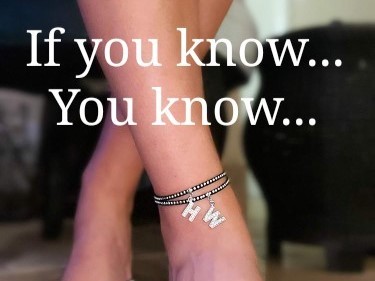

The Allure of Anklets: Unveiling Their Significance in Swinging and Hotwifing

In the realm of human sexuality, accessories can hold a special significance, subtly conveying desires and preferences. One such intriguing adornment is the anklet—a delicate piece of jewelry that, depending on the context, can hold varying meanings. Today, we’ll explore the captivating world of anklets, with a particular focus on their significance within the swinging and hotwifing lifestyle.

The Anklet’s Symbolism:
At its core, an anklet is a decorative accessory that adorns the ankle, drawing attention to a woman’s sensuality and femininity. Historically, anklets have been associated with various meanings across different cultures, including notions of wealth, marital status, and even protection. However, within the realm of swinging and hotwifing, the anklet takes on a unique and seductive significance.

Within the world of consensual non-monogamy, the anklet can serve as a discreet indicator of a couple’s involvement in the swinging or hotwifing lifestyle. It can act as a symbol, signaling to others that the woman wearing it is open to exploring sexual encounters with partners outside of her primary relationship.

For hotwives, the anklet can be a potent expression of their freedom, sensuality, and desire for sexual exploration. It serves as a subtle invitation to potential partners, indicating that they are open to engaging in intimate encounters while their loving partner watches or participates with enthusiastic consent.

In the context of a Stag & Vixen, the anklet holds an additional layer of significance. For some couples, the anklet can symbolize the wife’s empowerment and sexual liberation, while the husband embraces his role as a supportive and adoring husband. The anklet becomes a visual representation of their unique dynamic — a celebration of trust, intimacy, and shared desires.

What makes the anklet so alluring in these contexts is its discreet nature. While other swinging lifestyle accessories might be more overt, the anklet allows couples to maintain a level of privacy and discretion in public settings. It serves as a secret code, known only to those who are familiar with its meaning, adding an element of intrigue and excitement to encounters.

The decision to wear an anklet within the swinging or hotwifing lifestyle requires open communication, trust, and mutual consent between partners. It is crucial for couples to discuss their desires, boundaries, and intentions before embarking on this journey. The anklet becomes a powerful symbol of their commitment to exploring their shared fantasies while maintaining a strong foundation of trust.

While the anklet can be a potent symbol within the swinging and hotwifing lifestyle, it’s important to remember that it is just one aspect of a couple’s journey. The true essence of these relationships lies in the emotional connection, trust, and open-mindedness shared between partners. The anklet is merely a physical representation of their desires and an invitation to others who share their interests.

The significance of an anklet within the swinging and hotwifing lifestyle is a captivating exploration of desire, trust, and shared experiences. It serves as a discreet symbol that communicates a couple’s willingness to embrace the pleasures of consensual non-monogamy. As with any lifestyle choice, communication, consent, and respect are paramount, ensuring that all parties involved have a safe and fulfilling experience.

What is the appeal of a Hotwife relationship for women?

The appeal of a Hotwife relationship for women can be quite enticing! Let me break it down for you in a short list of reasons:

  1. Sexual Empowerment: Hotwifing allows women to explore their sexuality and embrace their desires without judgment. It gives them the freedom to engage in sexual encounters outside of their primary relationship, with the full support and encouragement of their partner. This sense of sexual empowerment can be incredibly liberating and fulfilling.
  2. Variety and Excitement: Hotwifing introduces a new level of excitement and variety into a woman’s sexual experiences. It offers the opportunity to engage in intimate encounters with different partners, explore new fantasies, and indulge in pleasure without the constraints of monogamy.
  3. Enhanced Intimacy: Contrary to what some may think, Hotwifing can actually enhance the intimacy between a woman and her partner. It requires a high level of trust, open communication, and emotional connection. Sharing experiences with other individuals can bring couples closer together as they navigate through their desires and boundaries as a team.
  4. Validation and Admiration: For some women, the idea of being desired and admired by other men can be incredibly validating and empowering. It boosts their self-confidence and self-esteem, knowing that they have the ability to captivate and entice others.
  5. Breaking Societal Norms: Hotwifing challenges traditional societal norms and expectations placed on women’s sexuality. It allows women to embrace their desires and explore non-monogamous relationships in a consensual and respectful manner. It’s a way of reclaiming sexual autonomy and embracing alternative relationship dynamics.

Remember, the appeal of a Hotwife relationship can vary from woman to woman. Each individual has their own unique desires and motivations. It’s important to approach Hotwifing with open-mindedness, respect, and a willingness to communicate and understand each other’s needs. Most importantly, do it more for you and not for him. Enjoy exploring the world of Hotwifing.

Categories: Hotwife Open Marriage Tags:

‘Stag’ Men: Embracing the Thrill with Their Hotwives

‘Stag’ Men: Embracing the Thrill with Their Hotwives

In the realm of human sexuality, desires and fantasies can take on various forms, often defying societal norms and expectations. One such phenomenon that has been gaining attention is the concept of “stag” men: individuals who find immense pleasure in watching other men engage in sexual acts with their wives. But let’s make one thing clear: this is not cuckolding. Let’s delve deeper into this fascinating world.

Although the dynamics of stag men might seem similar to cuckolding at first glance, they are, in fact, distinct. Cuckolding often involves an element of humiliation or emotional emasculation for the male partner, whereas stag men approach their desires with a different mindset. For them, it’s about embracing voyeurism, exploring the thrill of watching their wives in moments of intense pleasure.

Central to the stag lifestyle is the foundation of open communication, trust, and consent between partners. These couples have engaged in deep discussions, exploring their desires and boundaries, ensuring that everyone involved is comfortable and enthusiastic about the arrangement. It’s a testament to the strength of their relationships and the power of sexual exploration within a committed partnership.

Contrary to popular belief, the stag lifestyle does not diminish the emotional bond between partners. On the contrary, it can foster a deeper sense of intimacy and trust. The shared experience of exploring fantasies and pushing boundaries strengthens the connection between partners, leading to a more fulfilling and passionate relationship.

For stag men, the act of watching their wives engage in sexual encounters with other men heightens their own excitement and pleasure. It taps into a primal instinct, igniting a potent blend of arousal, pride, and satisfaction. It’s a celebration of their partner’s sensuality, a recognition that their desires can extend beyond the confines of their own relationship.

Like any unconventional lifestyle choice, the stag journey is not without its challenges. Society’s preconceived notions and judgments can cast a shadow on these relationships. However, stag men and their partners navigate these challenges with resilience and self-assuredness, knowing that their choices are consensual and rooted in their own unique desires.

The world of stag men is a fascinating realm where voyeurism, consent, and trust blend together in a tapestry of desire. It challenges societal norms, encouraging open-mindedness and exploration within committed relationships. As long as all parties involved are willing participants, embracing their desires can lead to a deeper understanding of self, an electrifying connection with their partners, and a celebration of the multifaceted nature of human sexuality.

I hope this blog post sheds some light on the intriguing world of “stag” men and their unique desires. Remember, it’s important to approach these topics with respect and understanding.  😉

Categories: Hotwife Open Marriage Tags:

A Wife & Her Friends With Benefits

A Wife & Her Friends With Benefits

In the depths of passion's flame they entwined,
A wife and her friend, a connection undefined.
An unspoken understanding, a secret shared,
A world of pleasure for them both pared.

In stolen moments, hidden from prying eyes,
They sought solace in each other's sighs.
A dance of desire, a clandestine affair,
Their bodies merging, a symphony rare.
 
Her lips, like petals, tasted sweet and true,
As they explored desires, both old and new.
Her touch, like silk, ignited a fire within,
Unleashing a passion they could never rescind.
 
In the shadows of night, they found release,
A stolen oasis where passion could increase.
No strings attached, just the thrill of the chase,
A wife and her friend, a forbidden embrace.
 
But in the daylight, they played their roles,
A secret shared between two kindred souls.
A world apart, their lives intertwined,
A wife and her friend, a connection undefined.

For in the depths of their friendship's core,
They discovered a love worth fighting for.
Bound not by vows, but by a fiery flame,
A wife and her friend, a passion untamed.
 
So they danced in the realm of forbidden delight,
Navigating the boundaries of wrong and right.
A wife and her friend, entwined in desire,
Savoring moments that set their souls on fire.
 
But remember, dear reader, this tale is just a fantasy,
A figment of imagination, a work of artistry.
For in reality, it's important to tread with care,
Respecting boundaries and the love we all share.

Richard & Lucy, SUS GPT

Categories: Stories Tags:

A Night of Passion

A Hotwife

Night To Rememer.

Lisa, a married woman with a desire for thrilling experiences, had been granted a hall pass by her husband to explore her Hotwife fantasies. She had arranged to meet Ted, a middle-aged muscular TSA agent, at a hotel for a night of passionate intimacy.

As Lisa entered the hotel room, her heart raced with anticipation. She was dressed to impress, wearing a revealing leopard print blouse paired with very short black dress shorts that showcased her every curve. The platform pumps she wore accentuated her thick but toned legs and shapely butt.

Ted, fresh from the shower, emerged wearing only a towel, his muscular physique glistening with droplets of water. The sight of him sent a surge of desire through Lisa’s body, intensifying her anticipation for the night ahead.

With a magnetic pull between them, Lisa and Ted closed the distance, their lips meeting in a passionate kiss. The room filled with the intoxicating scent of their desire as their bodies intertwined, shedding their inhibitions.

Their bodies moved in a passionate rhythm, each touch sending waves of pleasure through their veins. Lisa, lost in the moment, whispered in Ted’s ear again as she neared the peak of pleasure, expressing her desire for him to release himself inside her. The intensity of their connection grew as they approached a simultaneous climax.

In an explosion of ecstasy, Lisa could feel his warm cum filling her and making her so exited she climaxed so intensely that she experienced a rare and powerful release, leaving her body trembling and drenched in pleasure. The intensity of their passion left them both breathless, basking in the afterglow of their shared encounter.

After catching their breath, Lisa and Ted embraced, their bodies still entwined as they reveled in the intimacy they had shared. Their connection deepened as they engaged in a second round of passionate lovemaking, exploring new heights of pleasure together.

As the night drew to a close, Lisa and Ted knew it was time to part ways. They left the hotel, carrying the memory of their passionate encounter with them. After their first round of passion, Lisa bid farewell to Ted, knowing that this encounter was just the beginning. As she returned to her husband, she couldn’t contain her excitement to share her erotic story and reclaim her place by his side, knowing that their bond was stronger than ever.

Lisa and her husband discussed the possibility of Lisa and Ted meeting again, exploring a friends-with-benefits dynamic with her husband’s enthusiastic consent. The anticipation of future encounters filled their lives with excitement and passion, strengthening their bond as a couple and making Lisa one very happy girl.

Note: Remember, this story meant for entertainment purposes only. Always prioritize open communication, consent, and respect within any sexual exploration or relationship.

Categories: Hotwife Open Marriage Play Dates Stories Tags:

Married with Benefits: Unleashing the Power of Intimacy

Being married comes with its fair share of commitments and responsibilities, but what if we told you there’s a way to take it to the next level? Enter “married with benefits,” a concept that combines the emotional connection of marriage with an added dose of excitement and exploration.

In a traditional marriage, couples often prioritize stability and companionship. But in a married with benefits arrangement, couples can explore their desires and fantasies in a safe and consensual way. It’s all about opening up the lines of communication and being transparent about your needs and boundaries.

Intimacy is at the core of this arrangement. Couples can engage in activities that bring them closer together, both emotionally and physically. From trying out new experiences in the bedroom to engaging in playful role-playing scenarios, the possibilities are endless. The key is to establish trust, respect, and clear communication from the get-go.

Married with benefits can also be a way to keep the spark alive in long-term relationships. It’s about prioritizing pleasure and prioritizing each other’s desires. By embracing this arrangement, couples can reignite the passion and excitement that might have faded over time.

Of course, it’s important to note that married with benefits is not for everyone. It requires a strong foundation of trust, open-mindedness, and consent. It’s crucial to have ongoing conversations about boundaries, expectations, and any potential risks involved. Honesty and respect should always be at the forefront.

Remember, what works for one couple may not work for another. The key is to find what brings you and your partner joy, excitement, and fulfillment. If you’re both on board and ready to explore the world of married with benefits, then go ahead and embrace the possibilities!

So, there you have it, a glimpse into the world of married with benefits. It’s all about embracing your desires, enhancing your connection, and keeping the flame burning bright. Just remember to approach it with open hearts, clear communication, and a whole lot of love. Stay adventurous, my friends!”

Exploring Hotwifing: Benefits, Origins, Psychology, and Appeal in Open Relationships

Open relationships have been gaining popularity in recent years as couples explore alternative ways to connect, communicate, and fulfill their desires. One such arrangement within open relationships is “hotwifing.” Hotwifing refers to a consensual non-monogamous practice where a married or committed woman engages in sexual encounters with other men outside of her primary relationship, often with the knowledge and approval of her husband or partner. In this blog post, we will delve into the benefits of hotwifing, its origins, the psychology behind it, and why husbands find it appealing and arousing.

I. The Benefits of Hotwifing

  1. Increased sexual pleasure: Hotwifing can provide couples with a new level of sexual pleasure and excitement. The man may enjoy watching his partner with other men and may find that this experience enhances his own sexual pleasure. The woman may enjoy exploring new sexual experiences and partners, which can lead to increased sexual satisfaction.
  2. Enhanced intimacy: Hotwifing can also lead to enhanced intimacy between partners. By exploring their sexual desires and fantasies together, couples can deepen their emotional connection and strengthen their relationship.
  3. Increased trust and communication: Hotwifing requires a high level of trust and communication between partners. By engaging in open and honest communication about their desires and boundaries, couples can build a stronger foundation of trust and strengthen their relationship.
  4. Exploration of sexual identity: Hotwifing can also provide couples with an opportunity to explore their sexual identities and desires in a safe and consensual environment. This exploration can lead to a better understanding of each other’s needs and desires, and can help couples build a more fulfilling sexual relationship.
  5. New experiences and adventures: Hotwifing can be a way for couples to experience new and exciting adventures together. By exploring their sexual desires and fantasies, couples can create new experiences that they can share and enjoy together.

II. Origins of Hotwifing

The origins of hotwifing can be traced back to various historical and cultural contexts, though its modern expression as a consensual and mutually agreed-upon practice within open relationships has evolved over time. It is essential to note that the concept of hotwifing may have different names and forms in different cultures, but the essence of a married woman engaging in sexual encounters with men outside of her primary relationship remains consistent.

  1. Ancient and Tribal Societies: Some ancient cultures and tribal societies had practices that involved sexual rituals or customs that included sharing wives among members of the community. These practices were often associated with beliefs in fertility, prosperity, or spiritual connections. The idea of communal sexual experiences was thought to bring blessings and strengthen social ties.
  2. Victorian and Edwardian Eras: During the Victorian and Edwardian periods, particularly in Western societies, there was a fascination with themes of sexual repression and taboo. Erotic literature and art of this time often explored the idea of a woman engaging in extramarital affairs while her husband either watched or was aware of the encounters. These themes were expressed in works like “The Pearl” and “My Secret Life.”
  3. Swinging and Sexual Revolution: The modern form of hotwifing, as part of the swinging lifestyle, gained momentum during the sexual revolution of the 1960s and 1970s. The sexual liberation movement challenged traditional notions of monogamy and emphasized personal freedom and sexual exploration. Swinging allowed couples to engage in consensual non-monogamous activities, including hotwifing, as a way to explore their desires within the context of their committed relationship.
  4. Internet and Online Communities: With the advent of the internet and the rise of online communities dedicated to alternative lifestyles, including non-monogamous relationships, the concept of hotwifing became more visible and accessible. Online forums and social media platforms have allowed like-minded individuals to connect, share experiences, and normalize various forms of consensual non-monogamy, including hotwifing.

III. The Psychology Behind Hotwifing

  1. Compersion: One psychological aspect of hotwifing is the concept of compersion. Compersion refers to the experience of joy and satisfaction that individuals may feel when witnessing their partner’s pleasure and happiness with someone else. It can lead to a feeling of emotional complicity and a sense of compounding love within the primary relationship.
  2. Erotic Novelty: The appeal of hotwifing often lies in the erotic novelty and excitement of seeing one’s partner engage in sexual activities with someone else. For some individuals, this novelty can fuel feelings of arousal and passion.
  3. Empowerment and Liberation: Hotwifing can be an empowering experience for women, as it allows them to explore their sexuality without societal constraints or judgment. It challenges traditional notions of monogamy and encourages women to embrace their sexual agency.

IV. Why Husbands Find Hotwifing Appealing and a Turn-On

  1. Cuckold Fetish: Some husbands may have a cuckold fetish, which involves deriving sexual pleasure from the idea of their partner having sex with other men. This fetish can be rooted in feelings of submission, voyeurism, or compersion.
  2. Emotional Bonding: Witnessing their partner’s pleasure and happiness can deepen the emotional bond between husbands and wives. The experience of compersion can strengthen their connection, leading to increased trust and intimacy.
  3. Sexual Fantasy Fulfillment: For some husbands, hotwifing fulfills a long-standing sexual fantasy. The excitement and arousal derived from seeing their partner engage in sexual encounters outside the relationship can be a powerful turn-on.

Hotwifing in open relationships is a complex and multifaceted practice that offers various benefits to couples seeking sexual exploration and increased intimacy. The origins of hotwifing can be traced back to historical and cultural roots, but its modern expression is rooted in open communication, trust, and a desire to explore alternative expressions of love and desire. The psychology behind hotwifing reveals the potential for increased emotional bonding, sexual empowerment, and the fulfillment of specific fetishes. Ultimately, the appeal of hotwifing for husbands lies in the thrill of sexual novelty, compersion, and the realization of long-held fantasies. As with any alternative relationship arrangement, it is crucial for all parties involved to communicate openly, set boundaries, and prioritize each other’s emotional well-being.

Categories: Hotwife Tags:

The Fascinating World of Sperm competition: Exploring How Some Husbands and Wives Embrace the Experience

beautiful fertility concept in 3d renderin

Introduction

Sexual preferences and desires can be incredibly diverse and unique among couples. In recent times, the topic of sperm competition has emerged as one such intriguing aspect of intimate relationships. While it may not be everyone’s cup of tea, some husbands and wives have found pleasure and fulfillment in this intimate practice. In this blog, we’ll explore what sperm competition entails, the reasons why some couples choose to embrace it, and the importance of open communication and consent in any sexual exploration.

Understanding Sperm Competition

Sperm competition is a biological concept that stems from the idea that within species with internal fertilization (like humans), there is a competition between the sperm of different males to fertilize a female’s egg. The primary goal of sperm competition is to maximize the chances of passing on one’s genetic material to the next generation. It is believed that the human male’s ejaculate contains not only sperm but also substances that can affect the behavior of both the female’s reproductive system and the sperm of other males present.

The Appeal of Sperm Competition for Some Couples

Consensual open relationships are based on mutual trust, communication, and an understanding that love and intimacy can be shared with multiple partners. Each relationship is unique, and the boundaries are set according to the comfort and preferences of those involved. In such relationships, some husbands (and their partners) may choose to explore multiple sexual partners while maintaining their emotional connection, leading to the possibility of sperm competition. Sperm competition appeal to husbands & couples in consensual non-monogamous relationships for several reasons:

  1. Novelty and Variety: For some individuals, engaging in sexual encounters with different partners can provide novelty and variety, enhancing their overall sexual experiences. Sperm competition adds an element of excitement, as the idea of competing with other males can be arousing for some.
  2. Sexual Fulfillment: For these husbands, the satisfaction derived from engaging in consensual open relationships extends beyond physical pleasure. It can be about personal growth, self-discovery, and understanding their own desires and boundaries.
  3. Communication and Trust: One of the cornerstones of consensual open relationships is open communication and trust. Engaging in sperm competition requires an extraordinary level of trust between partners. The husband can enjoy knowing that his partner is exploring her desires freely and willingly.
  4. Compersion: Compersion is a term used in the polyamorous community to describe the feeling of joy or happiness one experiences when witnessing their partner’s happiness with another person. Some husbands may experience compersion in seeing their partner’s pleasure and fulfillment with another male, including the possibility of experiencing sperm competition.
  5. Intimacy and Trust: Engaging in sperm compilation can strengthen the bond between partners by fostering a heightened sense of intimacy and trust. The act of sharing something as intimate as semen reinforces a deeper emotional connection.
  6. Sexual Exploration: For some couples, sperm competition is an exciting way to explore their sexuality and push the boundaries of traditional sexual practices. It allows them to step outside of their comfort zones and discover new forms of pleasure and satisfaction.
  7. Sensuality and Aesthetics: Sperm competition can be seen as an artistic expression of sensuality and aesthetics. The visual aspect of the act may appeal to some couples as they find beauty and arousal in the human form and its intimate processes.
  8. Dominance and Submission: For couples practicing BDSM or power-exchange dynamics, sperm competition can be an element of dominance and submission play. It allows for the exploration of power roles in a safe and consensual manner.

What cuckholding and hotwifing share with sperm competition.

Cuckolding, hotwifing, and sperm competition are related concepts that involve sexual and reproductive dynamics between partners. While they share some similarities, they are distinct in their nature and context. Human relationships and sexual practices have evolved over time, encompassing a wide range of preferences and expressions. Among these are the practices of cuckolding and hotwifing, which involve the consensual exploration of non-monogamous dynamics within a committed relationship. While often misunderstood or stigmatized, these practices offer unique insights into the complex concept of sperm competition.

  1. Cuckolding: Cuckolding is a consensual adult sexual activity where a person’s partner engages in sexual relations with someone else while they watch or are aware of the activity. The term “cuckold” historically referred to a man whose wife was unfaithful, but in the context of cuckolding as a fetish or kink, it involves consensual non-monogamous behavior. The cuckold partner often experiences arousal and pleasure from watching their partner with someone else, and this activity can be emotionally and psychologically satisfying for all involved parties.
  2. Hotwifing: Hotwifing is a variation of cuckolding, where a woman (the “hotwife”) has sexual encounters with other men outside of her primary relationship with her partner. Similar to cuckolding, hotwifing usually involves the partner’s knowledge and consent, and the primary partner may experience arousal from their partner’s sexual experiences with others.
  3. Sperm Competition : Sperm competition is a biological concept that refers to the idea that in species where females have multiple sexual partners, there is a competition among the sperm from different males to fertilize the female’s egg. This competition can lead to various adaptations in male reproductive strategies, such as increased sperm production, changes in sperm morphology, or changes in mating behavior.

The common thread that ties these concepts together is the presence of multiple sexual partners and the potential for some form of sexual arousal or satisfaction based on this arrangement. Cuckolding and hotwifing are more related to consensual adult sexual play and fetishes, whereas sperm competition is a biological concept that explains certain reproductive adaptations in non-monogamous mating systems observed in some animal species.

The Importance of Communication and Consent

Open communication and consent are crucial in any sexual exploration. Couples considering sperm competition or any other non-conventional sexual activity should have honest conversations about their desires, boundaries, and expectations.

Hotwifing, cuckholding, and sperm competition play practices are not about infidelity or betrayal but rather about open communication, trust, and a deeper understanding of one’s desires and boundaries within a relationship. Couples who engage in these activities often report enhanced intimacy, trust, and emotional bonding. Both partners must be comfortable and enthusiastic about participating in such acts. Consent must be explicit, enthusiastic, and ongoing throughout the experience.

She whispered softly, “You can cum in me, my husband would enjoy that.”

Challenges and Considerations:

While consensual open relationships can be fulfilling for some, they are not without challenges. Jealousy, insecurity, and managing emotions can be complex, requiring constant communication and introspection. It is essential for all parties involved to establish clear boundaries and to regularly revisit and revise them if necessary. Part of those challenges and considerations are the potential risks and safety concerns.

Potential Risks and Safety Concerns

While sperm competition itself is generally considered safe, it is essential to address some potential risks and safety concerns. For example, if any partner has allergies or skin sensitivities, it’s essential to be cautious and avoid contact with semen in those areas. Additionally, practicing safe sex and regular STI testing is important for the overall health and well-being of both partners.

Final Thoughts

The appeal of sperm competition for some couples may appear perplexing at first, but it serves as a reminder of the intricacies of human sexuality and the diverse ways in which individuals and couples find fulfillment. Sperm competition is an intimate practice that some husbands and wives choose to explore as part of their sexual journey. It offers a unique way to strengthen trust, explore sexuality, and express intimacy through a creative and consensual act. As with any sexual activity, open communication, consent, and respect for each other’s boundaries are paramount. Remember that sexual preferences are highly personal, and what works for some may not work for others. The key to a fulfilling and satisfying intimate relationship lies in mutual understanding, respect, and a willingness to explore together.

Open Relationships: What is it?

What is an open relationship? Open relationships and open marriages are becoming more common and accepted in today’s society so, what is it all about? An open relationship is a non-monogamous romantic relationship where both partners agree to have sexual and/or romantic relationships with other people outside of the relationship. In an open relationship, partners have the freedom to pursue connections with others while maintaining a primary relationship with each other. This type of relationship can take many forms, from casual dating to long-term committed relationships with multiple partners.

Open relationships are based on the principles of honesty, communication, and mutual consent. Both partners must be honest about their desires and intentions and communicate openly about their boundaries and expectations. Consent is also crucial, and both partners must agree to the arrangement and the terms of the open relationship.

Open relationships can offer several benefits, including the freedom to explore different relationships and sexual experiences, increased emotional connections with multiple partners, improved communication skills, and personal growth. However, open relationships can also present challenges, such as jealousy, insecurity, and the potential for misunderstandings or hurt feelings.

It’s important to note that open relationships are not for everyone and should only be pursued if both partners are comfortable with the arrangement. Open relationships require a high level of trust, communication, and mutual respect, and both partners must be committed to maintaining the primary relationship while pursuing connections with other partners. This type of relationship style can take different forms, including swinging, hotwife, and polyamory.

Overall, open relationships offer a unique and non-traditional approach to romantic relationships that can be fulfilling and rewarding for those who are interested in exploring non-monogamous connections. While open relationships can be rewarding and fulfilling, they can also come with challenges and potential pitfalls. Trust is also a crucial aspect of open relationships. Both partners need to be open and honest about their actions and feelings, and they must trust each other to do what they say they will.

When shouldn’t enter an open relationship?

Open relationships are not for everyone, and there are some circumstances where it may not be appropriate to enter into an open relationship. Let go over some reasons why someone may not want to enter an open relationship.

Lack of interest is one of many reasons you should not to enter an open relationship. The desire to be in an open relationship must be mutual between both partners. If one partner is not interested in exploring non-monogamous relationships, it’s best to avoid pursuing an open relationship. If you have issues with insecurity, do not enter open relationship. Open relationships require a high level of trust, communication, and mutual respect. If one or both partners have insecurities or trust issues, it may not be the best time to pursue an open relationship. Emotional baggage should be addressed and even include support or counseling. If one or both partners have unresolved emotional baggage or past traumas, they may not be emotionally ready to engage in an open relationship. You should not enter in an open relationship if you feel pressured from society or peers. Entering into an open relationship because it’s trendy or because friends or society pressures you to do so is not a good reason to pursue an open relationship. Expectations of a quick fix is another reason you should refrain in exploring this type of lifestyle. Open relationships require a lot of work, communication, and emotional maturity. If someone is entering an open relationship with the expectation that it will fix existing problems in their relationship, they may be disappointed.

Entering an open relationship is a personal decision that should be based on mutual desire, if any of these factors are missing, it may not be the right time to enter into an open relationship. It’s essential to approach open relationships with open communication and a willingness to work together to establish clear boundaries and rules that work for both partners.


Hotwifing is a non-monogamous sexual practice where a married woman has sexual relationships with other men, with the full knowledge and consent of her husband.

Benefits of Open Relationships

Open relationships can offer several benefits to partners who are interested in exploring non-monogamous relationships. Here are some of the potential benefits of open relationships:

  1. Sexual Exploration: Open relationships allow partners to explore their sexual desires with multiple partners, which can be a source of excitement and variety.
  2. Emotional Connections: Open relationships can offer emotional connections with multiple partners, allowing for more profound and diverse relationships.
  3. Freedom and Autonomy: Open relationships offer partners the freedom to pursue their desires and autonomy in making choices about their relationships.
  4. Improved Communication: Open relationships require high levels of communication and transparency, which can lead to improved communication skills and stronger emotional bonds.
  5. Jealousy Management: While jealousy can be a challenge in open relationships, managing it can lead to increased emotional intelligence and personal growth.
  6. Improved Sexual Health: Open relationships require regular STI/STD testing and safer sex practices, which can lead to improved sexual health and safer sexual practices overall.
  7. Relationship Enrichment: Open relationships can add new dimensions and excitement to a primary relationship, leading to improved relationship satisfaction and enrichment.

It’s important to note that the benefits of open relationships are highly dependent on the individuals involved and the specific dynamics of the relationship. Open relationships require careful communication, mutual respect, and clear boundaries to ensure that all parties are comfortable and fulfilled.

Challenges in Open Relationships

There are many challenges that come with open relationships, and partners considering this type of arrangement should be aware of them. Below is a list of some of those challenges couples might experience.

  1. Jealousy: Perhaps the most significant challenge of open relationships is managing jealousy. Even in the most secure and loving relationships, jealousy can arise when one partner feels threatened or neglected by the other’s involvement with another person. It is essential to communicate openly and honestly about feelings of jealousy and work together to find ways to manage it.
  2. Communication: Open relationships require a higher level of communication than traditional monogamous relationships. Partners must be able to talk openly and honestly about their desires, boundaries, and expectations to avoid misunderstandings and hurt feelings.
  3. Time Management: Managing multiple relationships takes time and energy, which can be challenging for partners who already have busy lives. It’s essential to communicate effectively and set boundaries around how much time is spent with each partner to ensure that everyone’s needs are met.
  4. STI/STD risks: Engaging in sexual activity with multiple partners increases the risk of contracting sexually transmitted infections (STIs). Partners in open relationships must be vigilant about practicing safe sex and getting tested regularly to protect themselves and their partners.
  5. Social Stigma: Open relationships are still stigmatized by society, and partners may face criticism or judgment from family, friends, and colleagues. It is essential to be prepared for potential negative reactions and to have a support system in place to navigate them.
  6. Power Imbalances: In some open relationships, one partner may have more partners or more significant emotional connections than the other, which can lead to power imbalances and feelings of insecurity or resentment. It is crucial to establish clear boundaries and expectations around emotional connections and prioritize open and honest communication to avoid this.

Pitfalls of Open Relationships

While open relationships can be fulfilling, they can also come with potential pitfalls. One of the most significant pitfalls is the potential for hurt feelings and misunderstandings. It is essential for partners to establish clear boundaries and communicate their needs and expectations to prevent misunderstandings. Another potential pitfall is the risk of sexually transmitted infections (STIs) and unwanted pregnancies. Partners must be responsible and take necessary precautions to protect themselves and their partners.

Some types of Open Relationships

There are different types of open relationships, and here are some of the most common:

Polyamory is a type of open relationship where partners have romantic relationships with multiple people, with the full knowledge and consent of all parties involved.
  1. Swinging: This is a type of open relationship where couples engage in sexual activity with other couples or individuals. Swinging can take place in a private setting or in a group setting like a swinger’s club.
  2. Hotwifing: This is a form of swinging where the wife has sexual relationships with other men while the husband watches or is not present. It often involves a power dynamic where the husband is submissive and derives pleasure from watching his wife have sex with other men.
  3. Polyamory: This is a type of open relationship where partners have romantic relationships with multiple people, with the full knowledge and consent of all parties involved. Polyamorous relationships can take many forms, from a closed triad (three people in a committed relationship) to a larger polycule (a network of interconnected romantic relationships).
  4. Open Marriage: This type of relationship involves both partners being free to engage in sexual or romantic relationships with other people outside of the marriage. Open marriages may involve casual sexual encounters or more serious romantic relationships outside of the marriage.
  5. Monogamish: This type of open relationship involves partners who are mostly monogamous but occasionally engage in sexual activity with other people with the knowledge and consent of their partner.
  6. Relationship Anarchy: This is a philosophy or approach to relationships that rejects traditional relationship labels and hierarchies. In a relationship anarchist approach, partners have complete autonomy and are free to engage in any kind of relationship they desire.

Setting Boundaries and Rules

Establishing clear boundaries and rules is crucial in any open relationship. This can include setting limits on how often partners can see other people, what activities are allowed, and whether or not emotional relationships are allowed. Both partners must be comfortable with the boundaries and rules, and they must be willing to revisit and adjust them as needed.

Here are some tips for setting boundaries and rules:

  1. Communication: Open and honest communication is crucial when setting boundaries and rules. Both partners should express their desires and concerns, and work together to establish mutually agreed-upon boundaries and rules.
  2. Prioritizing Safety: Safe sex practices and regular STI/STD testing should be a top priority in any open relationship. Agreeing on safe sex practices and testing schedules is crucial to ensuring the physical health of all parties involved.
  3. Emotional Boundaries: It’s essential to establish emotional boundaries and expectations around emotional connections with other partners. This can include agreeing to share emotional experiences with primary partners first, or not pursuing emotional connections beyond physical relationships.
  4. Time Management: Setting boundaries around the amount of time spent with other partners can help ensure that all partners feel valued and respected. Agreeing on how much time can be spent with other partners can prevent feelings of neglect or resentment from arising.
  5. Privacy: Setting boundaries around privacy and social media can help prevent misunderstandings and miscommunications. Discussing how much information can be shared about other partners on social media or with friends and family can prevent discomfort or hurt feelings.
  6. Regular Check-Ins: It’s essential to regularly check-in with each other to ensure that boundaries and rules are being respected and that everyone is comfortable with the arrangement. This can also be an opportunity to revisit and adjust boundaries and rules as needed.

Setting clear boundaries and rules is essential for any successful open relationship. Open communication, mutual respect, and prioritizing safety and emotional well-being can help ensure that all parties involved feel valued and respected in the relationship.

Terminology in Open Relationships

There is a lot of terminology in open relationships, and it is essential to understand the different terms and their meanings. For example, “primary partner” refers to the main partner in the relationship, while “secondary partner” refers to a partner with whom one has a less serious relationship. “Metamour” refers to the partner of one’s partner in a polyamorous relationship, while “compersion” refers to the feeling of joy one experiences when their partner experiences joy with someone else.

Conclusion

Open relationships and open marriages can be a fulfilling and rewarding relationship style, but they require a lot of communication, trust, and honesty. It is essential for partners to establish clear boundaries and rules and to be responsible and respectful of each other’s feelings and needs. While there are potential challenges and pitfalls, the benefits of open relationships can lead to personal growth, self-discovery, and emotional intimacy.